June 1, 2026
Agricultural properties rely on structure, boundaries, and dependable infrastructure to operate efficiently. Among the most essential elements of that infrastructure is fencing, which supports livestock management, protects land investments, and helps maintain safe and organized operations. For many landowners, having access to a trusted resource for fencing guidance and service makes ongoing management significantly more manageable. This is where working with a local fence company becomes a practical advantage for farmers and ranchers who need reliable, long-term solutions tailored to their land.
Beyond installation, fencing decisions often influence daily operations, from herd movement to pasture rotation. Because agricultural environments are dynamic and constantly exposed to weather, soil shifts, and animal pressure, the need for informed support is ongoing rather than one-time. Understanding how fencing aligns with livestock needs, land conditions, and operational goals can help agricultural producers make more effective long-term investments.
Identifying Agricultural Fencing Needs on Local Farms and Ranches
Livestock Containment and Property Control
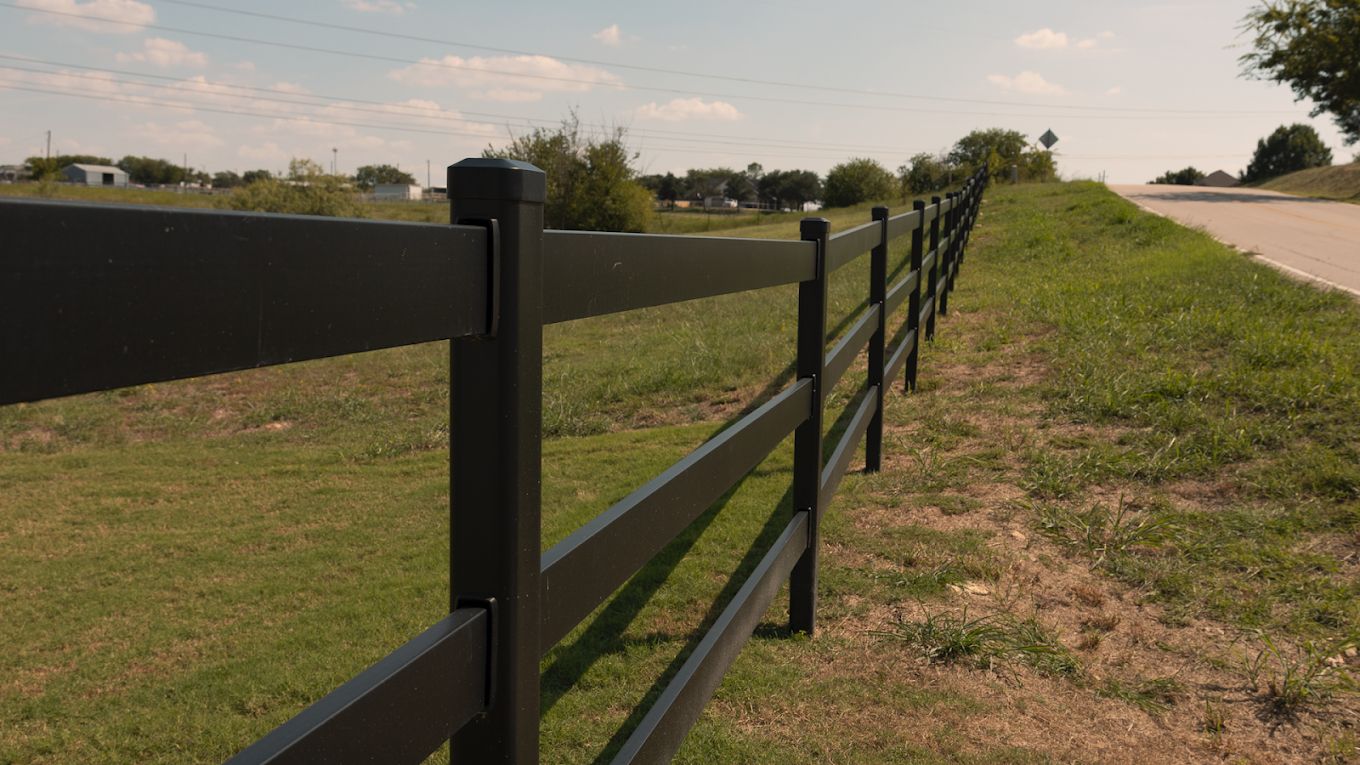
Effective fencing begins with understanding its primary role: keeping livestock secure while maintaining clear boundaries across agricultural land. Cattle, horses, and other livestock require fencing that balances strength with appropriate height and spacing to reduce stress on both animals and infrastructure. A local fence company can help align fencing systems with the specific behavioral patterns and physical requirements of different animals, ensuring containment without unnecessary strain on the structure.
Containment is not only about keeping animals in but also about preventing unwanted entry from neighboring livestock or wildlife. This becomes especially important in regions where land parcels are expensive or adjacent to unmanaged terrain. Proper fencing design helps maintain order across grazing areas, feeding zones, and restricted sections of a property, reducing the likelihood of disruption to daily operations.
Over time, livestock pressure can weaken poorly designed fencing systems, leading to costly repairs and operational inefficiencies. By working with a local fence service, agricultural producers can better anticipate these pressures and implement systems designed for long-term resilience under real-world farm conditions.
Planning Fence Height and Layout
Fence height and layout are critical design decisions that directly affect livestock control and property usability. According to the USDA, fencing used for cattle and horses is commonly set at approximately 36 inches in height, generally aligning with the level of an animal's extended nose. This measurement reflects practical livestock containment needs and helps ensure animals remain within designated areas without excessive strain on fencing structures.
Layout planning goes beyond height, incorporating pasture divisions, water access points, and handling zones. When fencing is strategically mapped, it supports rotational grazing and improves overall land productivity. A local fence company often assists in translating operational goals into physical layouts that maximize both usability and efficiency.
Proper planning also reduces long-term costs by minimizing unnecessary fencing adjustments. When layout decisions are made with livestock movement and land use in mind, the result is a more functional agricultural system that supports both short-term operations and long-term land stewardship.
Understanding Why Local Expertise Matters in Agricultural Fencing
Familiarity With Regional Land Conditions
Local agricultural environments vary significantly in soil density, vegetation patterns, and weather exposure, all of which influence fencing performance. A local fence service brings practical familiarity with these conditions, allowing for more accurate recommendations regarding materials, installation depth, and structural reinforcement.
This regional understanding becomes especially important in areas with heavy seasonal changes. Freeze-thaw cycles, for example, can shift posts and loosen fittings if installations are not properly adapted to local conditions. Experienced professionals who regularly work within the same geographic region are better positioned to anticipate and mitigate these challenges.
In addition, land usage patterns differ between agricultural regions. Some areas prioritize grazing rotation, while others focus on long-term pasture containment or mixed livestock operations. Local expertise helps ensure fencing systems are aligned with these operational realities rather than relying on generic installation approaches.
Faster Response and Ongoing Support
Agricultural operations often require timely responses when fencing issues arise. A damaged section can quickly lead to livestock escapes or operational disruptions. Working with a local fence company allows for more responsive service, reducing downtime and limiting the potential impact of unexpected fencing failures.
Ongoing support is equally important, especially for large properties where fencing extends across multiple acres. Routine inspections and seasonal adjustments help maintain fence integrity, ensuring that small issues are addressed before they develop into larger structural problems. This type of consistent oversight contributes to long-term reliability.
Because agricultural schedules are often seasonal and time-sensitive, having a dependable support system in place helps farmers and ranchers maintain continuity. Whether addressing storm damage or adjusting tension after seasonal shifts, proximity and familiarity play a key role in effective maintenance.
Recognizing the Long-Term Value of Working With a Local Professional
Durability Through Proper Installation Practices
Long-term fencing performance depends heavily on installation quality. Proper post placement, spacing, and anchoring techniques are essential for ensuring structural integrity over time. In many agricultural settings, heavy-duty posts are installed with deep anchoring to resist soil movement and livestock pressure, helping maintain fence alignment even under demanding conditions.
When installation is handled correctly from the beginning, fencing systems are far less likely to require frequent repairs. This reduces long-term maintenance costs and helps agricultural operators focus more on production and land management rather than structural issues. A local fence company often emphasizes these installation standards to ensure lasting performance.
Durability also depends on how well the fence integrates with the surrounding environment. Proper grading, alignment, and tensioning all contribute to a system that withstands weather and usage pressures without premature failure. This level of precision is essential for agricultural reliability.
Maintenance Planning and Seasonal Care
Regular maintenance is a key factor in extending the lifespan of agricultural fencing systems. Seasonal inspections help identify issues such as loose posts, vegetation buildup, or soil displacement before they compromise structural integrity. A local fence company can offer guidance on maintaining fencing systems throughout the year based on regional conditions.
Vegetation management is particularly important, as overgrowth can place unnecessary strain on fence lines and trap moisture around structural components. Left unmanaged, this can accelerate wear and reduce the effectiveness of the fence over time. Routine clearing helps preserve both strength and appearance.
Soil movement is another common challenge, especially in areas with heavy rainfall or erosion-prone terrain. When soil accumulates against fencing materials, it can contribute to premature deterioration. Regular monitoring and adjustment help maintain proper clearance and ensure long-term stability across the property.
Agricultural fencing is more than a boundary structure; it is a foundational component of efficient farm and ranch management. From livestock containment and land planning to long-term durability and maintenance, every aspect of fencing plays a role in operational success. Working with a local fence company provides agricultural producers with the benefit of regional expertise, responsive support, and customized solutions designed for real-world conditions.
When fencing systems are properly designed, installed, and maintained, they contribute directly to productivity, safety, and long-term land stewardship. For farmers and ranchers, investing in the right fencing approach is not just about immediate containment but about building a resilient infrastructure that supports growth and stability over time. With the right fencing partner in place, agricultural operations can stay secure, organized, and better prepared for the demands of each season. If you're a farmer or rancher looking to install or upgrade your property's fencing, be sure to contact S&B Fencing!