February 5, 2026
Choosing a fence for your home is a decision that affects far more than just your property line. The right choice can shape how your home looks from the street, how private your outdoor space feels, and how secure your property is for daily living. Because a fence is often one of the first things people notice, it plays a meaningful role in first impressions and overall curb appeal. A carefully selected fence can transform an entire property, tying landscape and architecture together into a cohesive design.
Beyond appearance, there are practical considerations that should not be overlooked. Maintenance requirements, durability, and long-term value all factor into the decision-making process. Taking a thoughtful approach allows homeowners to choose fencing that fits their lifestyle, enhances their home, and provides lasting benefits rather than short-term convenience. Evaluating these aspects upfront helps prevent unexpected costs or disappointment down the road.
Define Your Primary Purpose
The first step in selecting the right fence style is understanding exactly what you need it to do. Some homeowners are primarily concerned with privacy, especially in areas where neighboring homes are close together. Others may be focused on safety, such as creating a secure area for children to play or pets to roam freely. Clarifying these goals early ensures every design choice serves a clear and functional purpose.
Function also ties closely to how you use your outdoor space. A backyard designed for entertaining may benefit from a different style than a yard focused on gardening or relaxation. The activities you plan to enjoy outdoors should guide decisions about height, spacing, and overall design. This tailored approach ensures the fence complements both your lifestyle and the way you interact with your property.
Environmental conditions are another important factor to consider at this stage. Wind exposure, soil stability, and regional weather patterns can all affect how a fence performs over time. Choosing a design that aligns with these conditions helps reduce wear and minimizes future repairs. Recognizing environmental influences upfront leads to a longer-lasting and more cost-effective fence installation.
When your goals are clearly defined, selecting fencing becomes a more focused and efficient process. Purpose-driven planning ensures that the final choice supports both your immediate needs and long-term expectations. Clarity of purpose streamlines your decision-making and leads to greater satisfaction with the finished result.
Match Style to Home Architecture
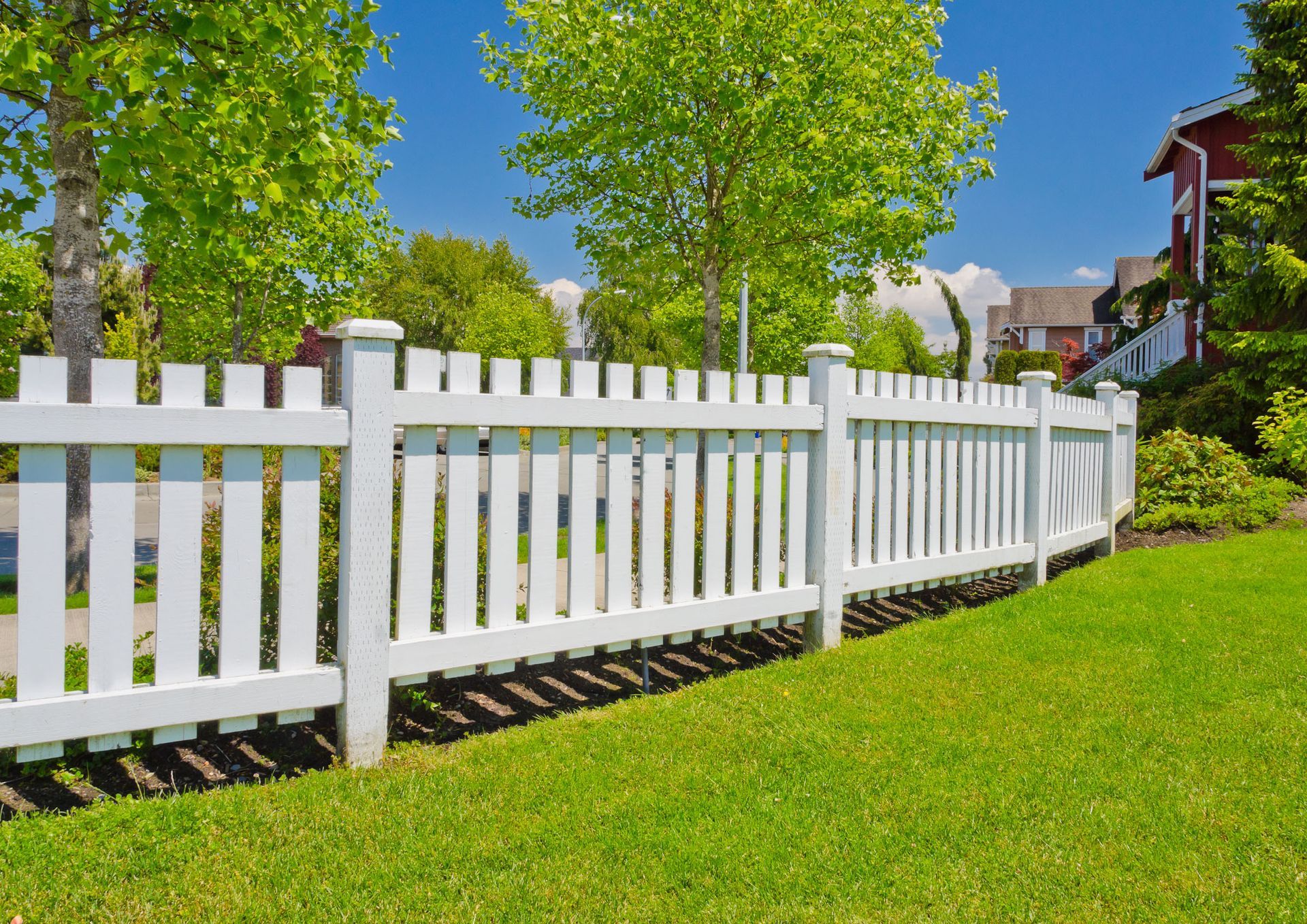
A fence should feel like a natural extension of your home rather than a separate or competing element. Architectural style plays a major role in determining which designs will look most cohesive. Traditional homes often pair well with classic lines and timeless materials, while modern homes tend to benefit from clean, understated designs. This harmony between structure and style ensures your property feels unified and thoughtfully composed.
Color and finish choices further influence how well the fence integrates with your home. Coordinating tones with siding, trim, or roofing can create a seamless appearance. In some cases, contrast can be effective, but it should always feel intentional and balanced rather than accidental. Experimenting with subtle contrasts can create visual interest without disrupting the overall flow of the home’s design.
Scale and proportion are equally important. A fence that is too tall or visually heavy can overwhelm a smaller home, while a low-profile design may look out of place on a larger property. Paying attention to proportion helps maintain visual harmony throughout the exterior space. Balanced proportions also enhance how comfortable and inviting the property feels from every angle.
Thoughtfully selected fencing can also contribute to resale appeal. According to Fixr, a new fence can yield an average ROI of 50% to 70%, making style compatibility not only an aesthetic choice but a financial consideration as well. This investment-friendly upgrade often serves as one of the most visible indicators of care and quality to future buyers.
Compare Materials and Durability
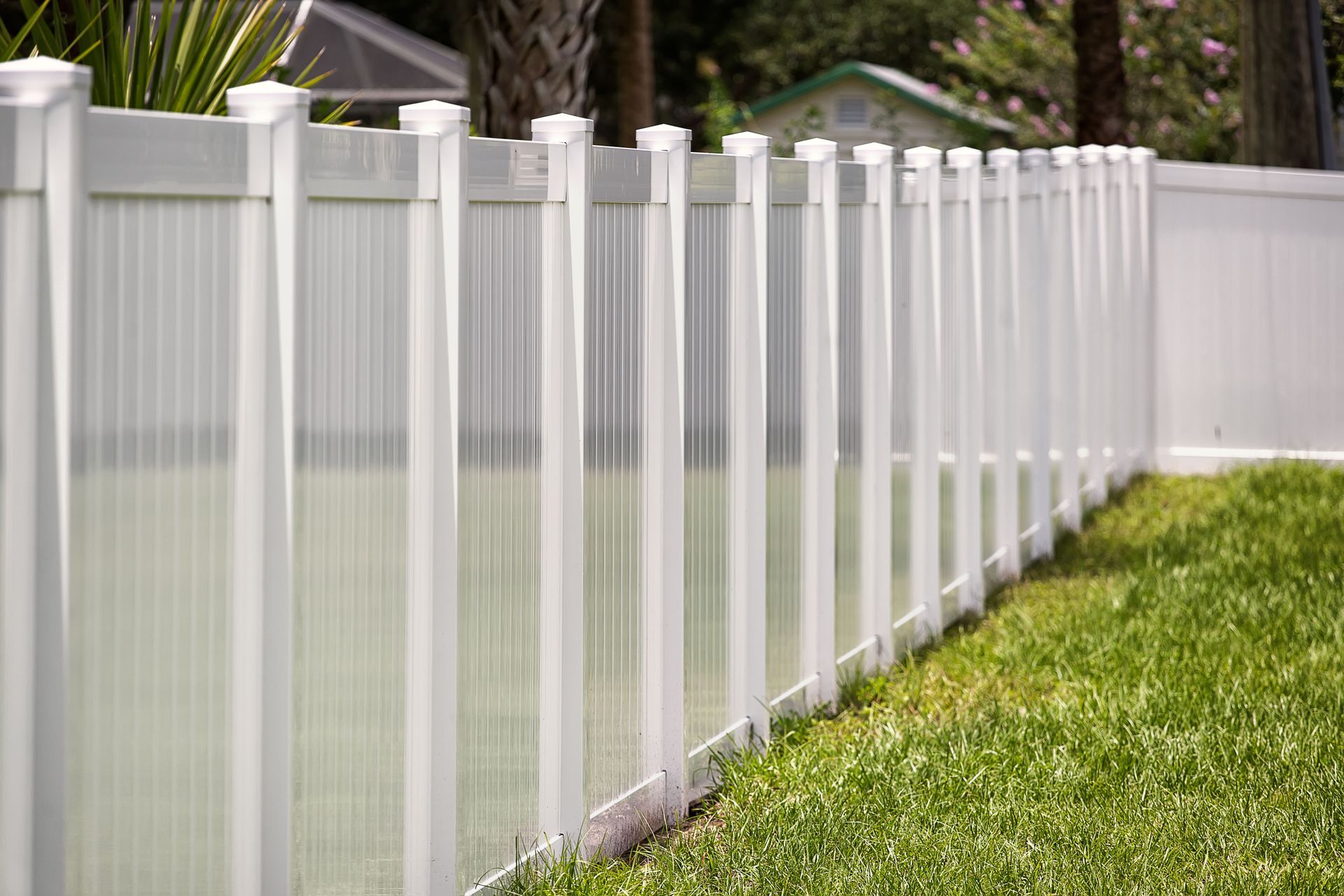
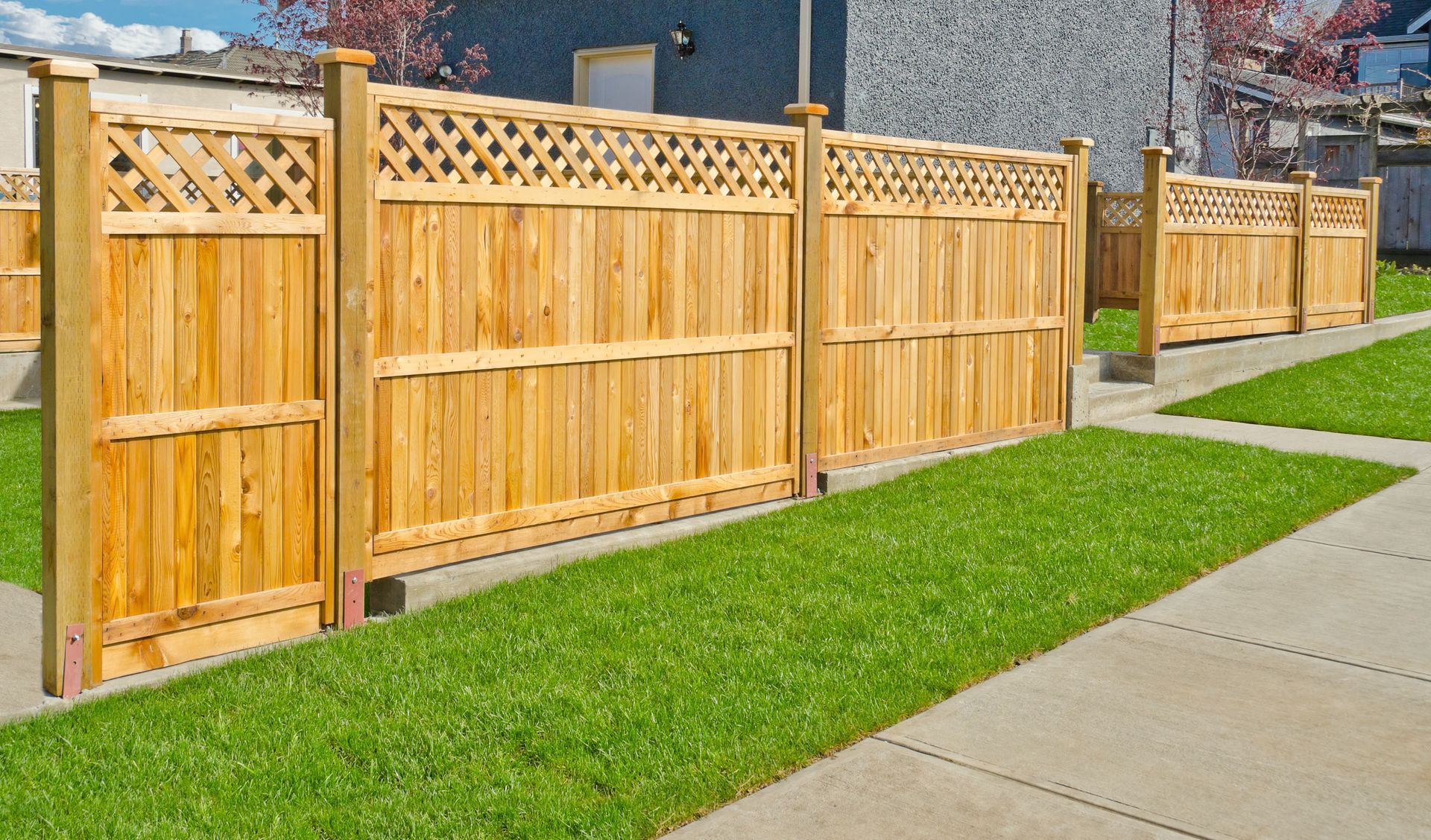
Material selection has a direct impact on how a fence looks, performs, and ages over time. Wood is often chosen for its natural appearance and versatility, but it typically requires ongoing maintenance to protect against weather and wear. Vinyl offers a more low-maintenance alternative while maintaining a clean and consistent look. Each option presents its own balance of beauty, budget, and upkeep demands that should be carefully weighed.
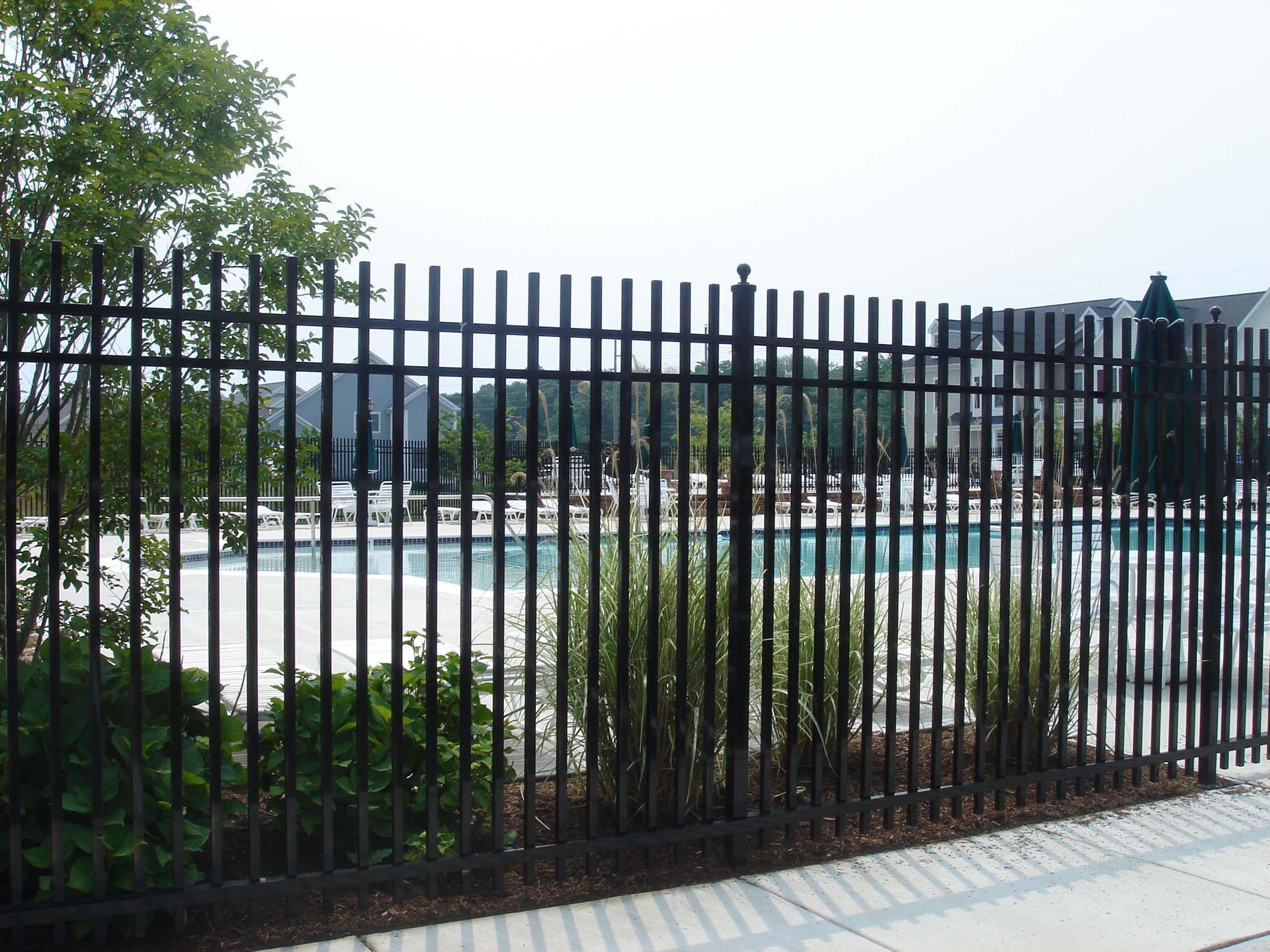
Metal options such as aluminum or steel are known for their strength and durability. These materials can work well for homeowners who want security without sacrificing style. Composite materials have also gained popularity for combining visual appeal with long-lasting performance. Selecting a durable material that fits your climate can help extend the lifespan of your investment.
Maintenance expectations should be considered honestly. Some materials require regular staining, sealing, or painting, while others need only occasional cleaning. Understanding how much time and effort you are willing to invest helps prevent frustration later. Matching your maintenance capacity with the right material ensures your fence continues to look great with minimal effort.
By comparing durability alongside appearance, homeowners can choose fencing materials that align with their climate, lifestyle, and long-term plans, reducing the likelihood of premature replacement. This thoughtful balance creates a fence that functions beautifully for years without sacrificing curb appeal.
Identify Local Rules and Budget
Local regulations play a significant role in determining what type of fence you can install. Many cities and towns have rules governing height, placement, and materials, particularly for front yards or corner lots. Homeowner associations may also impose design standards that influence your options. Becoming familiar with these rules early ensures your design dreams remain practical and compliant.
Taking the time to research these requirements early can save considerable stress and expense. Failing to comply with local guidelines may result in fines, mandatory changes, or even full removal of an installed fence. Proper planning ensures the project proceeds smoothly from start to finish. Consulting your local permitting office or HOA before installation can prevent costly delays or setbacks.
Budget considerations extend beyond the initial installation cost. Long-term expenses such as maintenance, repairs, and eventual replacement should be factored into the overall investment. A lower upfront cost may not always translate into better value if upkeep is frequent or expensive. Prioritizing quality materials within your budget often yields better performance and fewer surprises over time.
Balancing legal requirements and financial considerations allows homeowners to select fencing that meets practical needs while still delivering durability, visual appeal, and peace of mind over the long term. This balanced approach transforms the fencing process from a stressful task into a well-managed home improvement project.
Choosing the right fence style is a process that benefits from careful thought and planning. By defining your purpose, matching design to architecture, evaluating materials, and understanding local rules, you position yourself to make a confident and informed decision. Each of these steps contributes to a result that feels intentional rather than rushed.
A well-chosen fence offers more than a simple enclosure. It supports daily living, enhances the appearance of your home, and can add lasting value. When approached strategically, the right fencing solution becomes a long-term asset that complements both your property and your lifestyle. In the end, the best fence not only defines your space but also reflects your commitment to quality and design.
At S&B Fencing, we’re here to help you find the perfect fencing solution that fits your home, budget, and style. Contact us today to schedule a free consultation and see how our team can bring your vision to life.