March 4, 2026
Designing the right fencing solution for a sloped or uneven yard can feel challenging at first. Unlike flat landscapes, uneven terrain requires thoughtful planning to ensure the fence looks attractive while remaining structurally sound. Homeowners must consider grade changes, soil conditions, and the overall purpose of the barrier. Whether the goal is privacy, security, or visual appeal, selecting the right fencing approach makes a significant difference in both performance and longevity.
This guide explores practical fencing options for sloped yards, explains installation techniques for uneven ground, and compares stepped and racked methods. By understanding the advantages and limitations of each approach, property owners can make informed decisions that enhance their outdoor space without unnecessary complications.
What Are the Best Types of Fencing for Sloped Yards?
When working with uneven terrain, the material and style of fencing matter just as much as the installation method. Some fence types adapt naturally to slopes, while others require more customization.
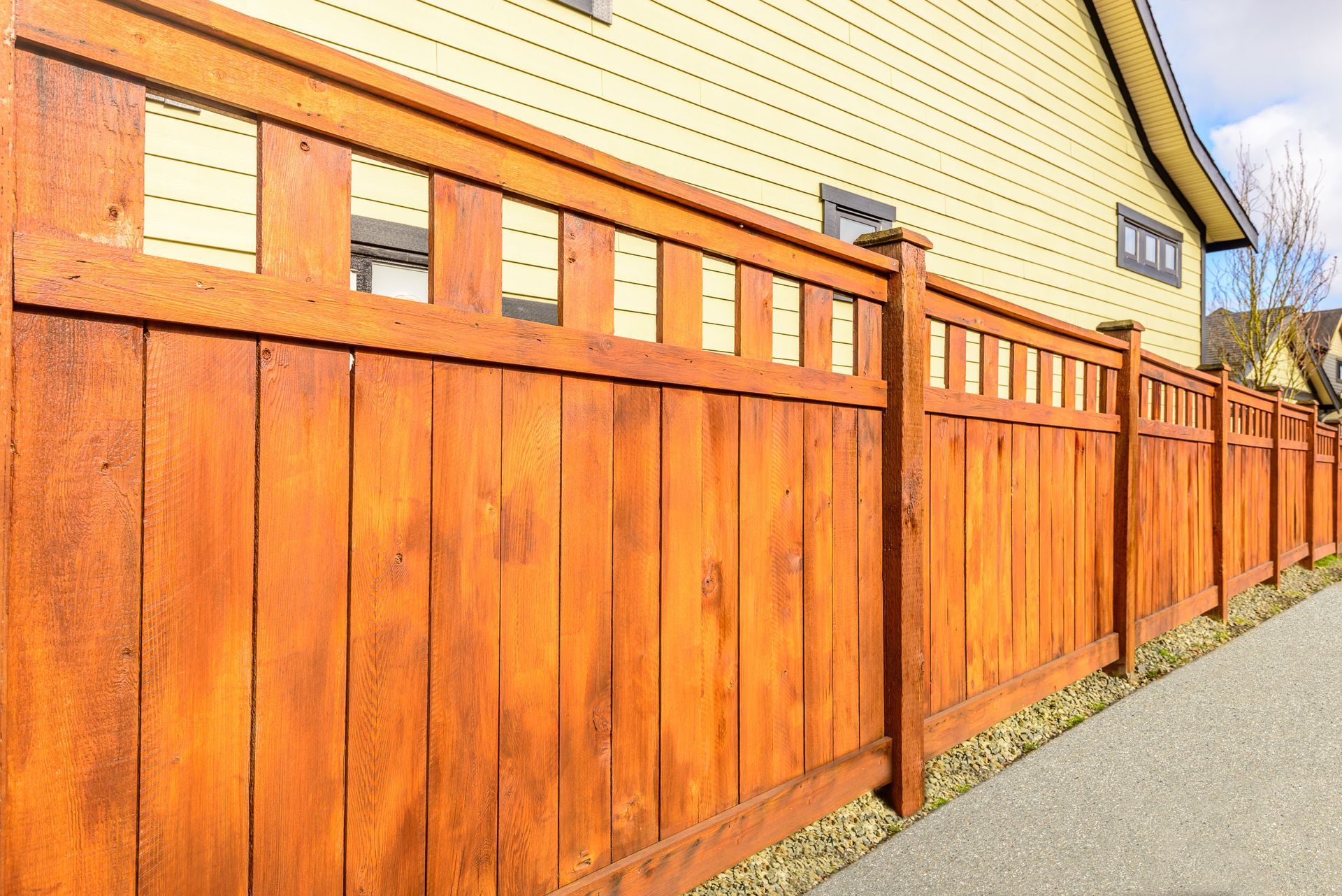
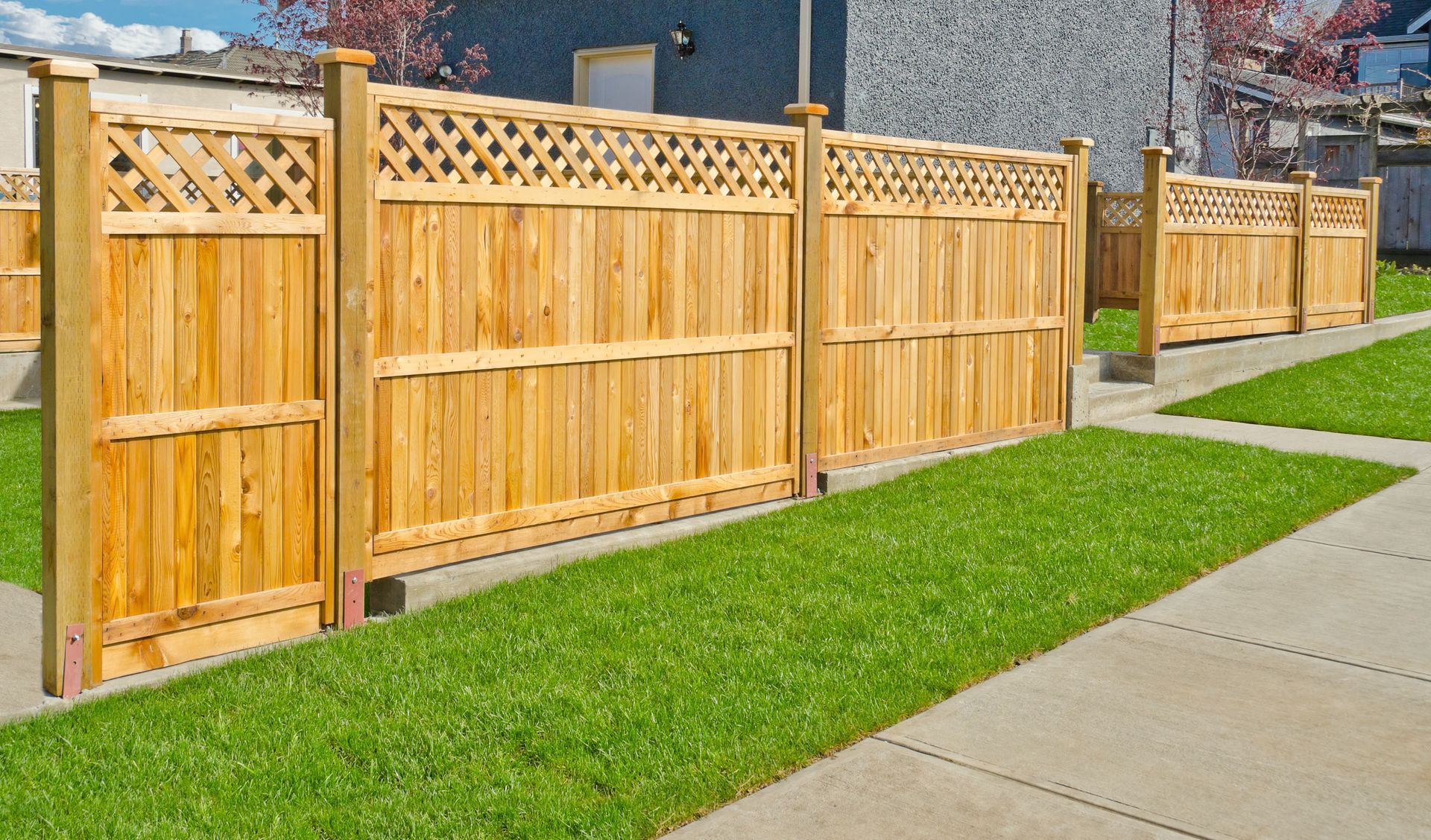
Wood fencing remains one of the most versatile options for sloped properties. Because wood panels can be cut and adjusted onsite, contractors can more easily accommodate elevation changes. This flexibility makes wood fencing popular for homeowners seeking a traditional appearance combined with adaptability. However, wood does require ongoing maintenance to resist moisture and weather damage.
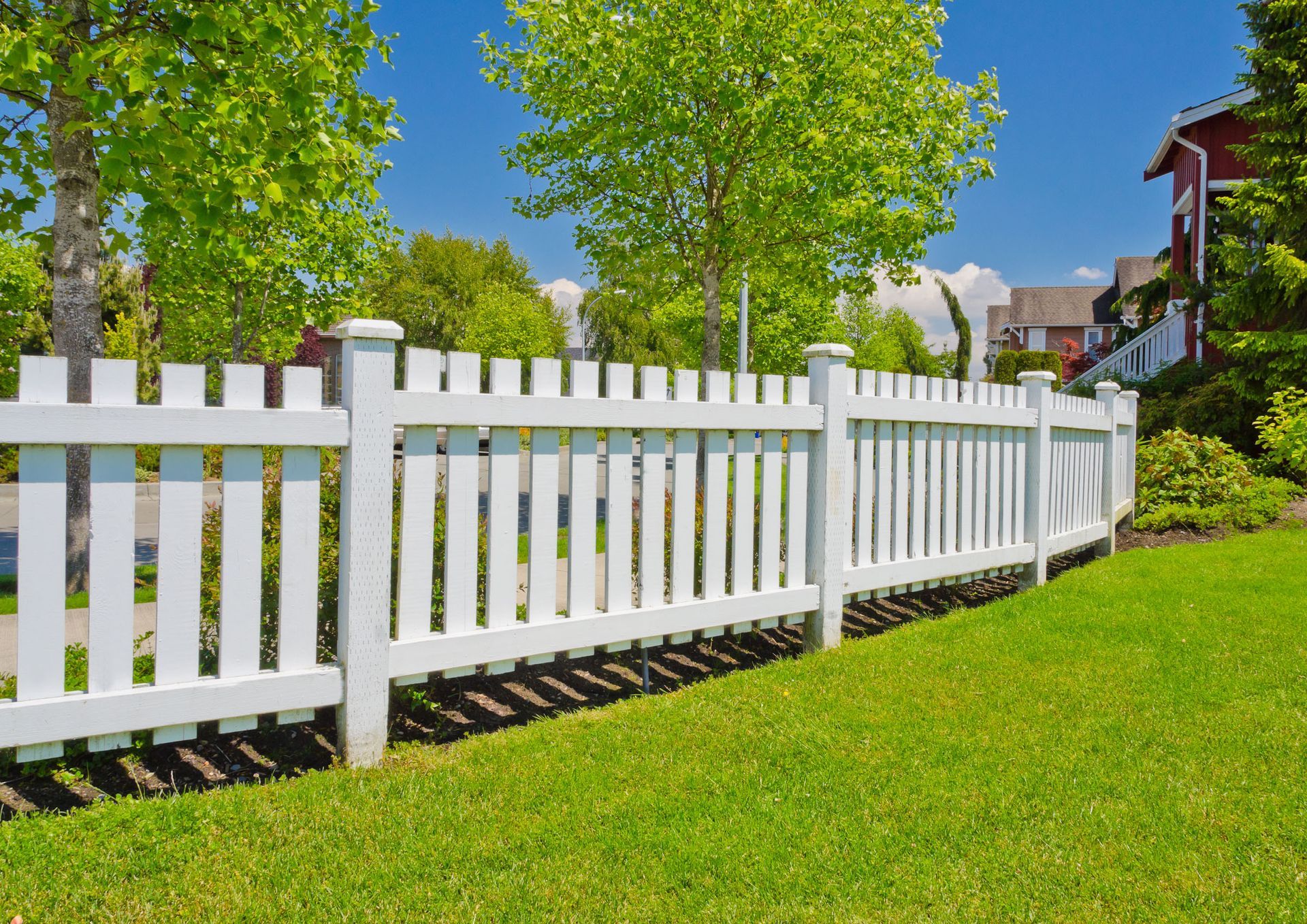
Vinyl fencing is another strong contender for uneven landscapes. Modern vinyl systems often include rackable panels designed specifically for slopes. These panels can angle slightly to follow the grade, creating a smooth, continuous line. Vinyl fencing is valued for its low maintenance and clean appearance, although it may cost more upfront than wood.
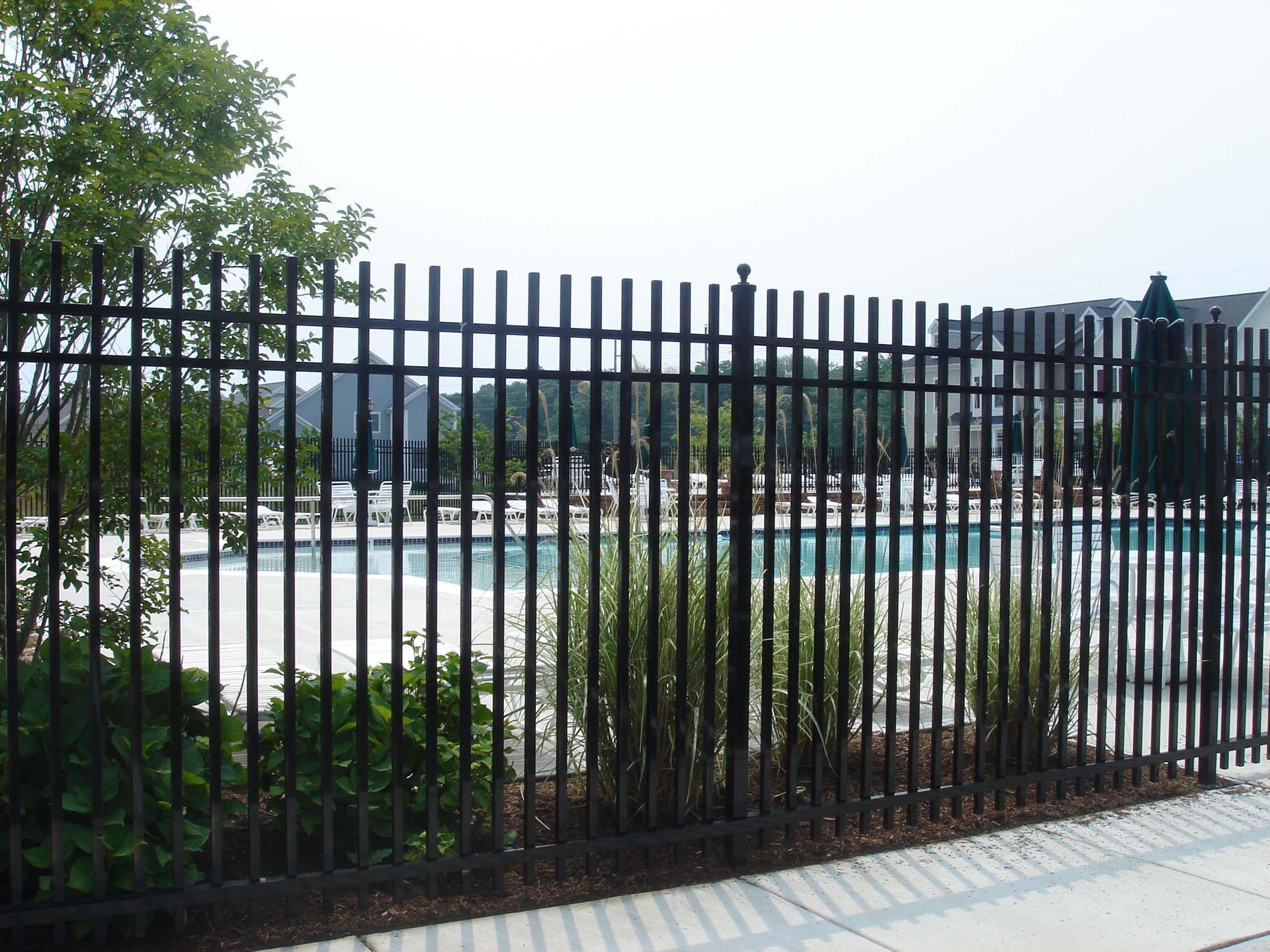
Aluminum and wrought iron fencing perform especially well on hills. These materials typically use picket-style designs that naturally accommodate grade changes without leaving large gaps at the bottom. Aluminum fencing, in particular, offers durability with minimal upkeep, making it an excellent long-term solution for challenging terrain.
Chain-link fencing is often the most budget-friendly choice for sloped yards. Because the mesh can easily contour to the ground, installation is relatively straightforward even on uneven surfaces. While chain-link may not provide as much privacy as other options, it excels in functionality and affordability.
Ultimately, the best fencing material depends on your priorities. Homeowners focused on aesthetics may prefer wood or vinyl, while those prioritizing durability and ease of installation often choose aluminum or chain-link.
How Do You Install a Fence on Uneven Ground?
Proper installation is critical when placing fencing on uneven terrain. Without the right techniques, gaps, leaning posts, or structural weakness can develop over time.
The first step is surveying and marking the fence line. Installers measure elevation changes carefully and identify high and low points across the yard. This assessment determines whether racking or stepping will work best.
Next comes post placement, which is especially important on slopes. Fence posts must be set deeper and secured firmly in concrete to maintain stability. In areas with significant grade changes, installers may need to vary post heights to keep the top of the fencing level or intentionally follow the slope.
When using rackable panels, installers attach the fencing sections so they angle slightly between posts. This method creates a smooth, continuous appearance that closely follows the ground. For stepped installations, panels remain level while each section drops incrementally down the slope.
Precision during installation helps prevent common issues like bottom gaps or uneven spacing. According to Fixr, most fence installations span about 200 linear feet, which is sufficient to enclose a quarter acre. Because projects of this size often include some degree of grade variation, careful planning during installation becomes even more important for long-term performance.
Professional installers typically use tools such as post-hole diggers, levels, string lines, and grading equipment to ensure accuracy. While experienced DIYers can complete simpler projects, complex slopes often benefit from professional fencing installation to avoid costly mistakes.
What Are the Advantages and Disadvantages of Stepped Versus Racked Fencing?
One of the most important decisions when planning fencing for uneven yards is choosing between stepped and racked installation methods. Each approach offers distinct benefits and trade-offs.
Stepped fencing installs panels in level sections that descend like stairs down the slope. This method works well with preassembled panels that cannot flex or angle. One major advantage of stepped fencing is simplicity. It often uses standard panels and requires less customization during installation.
Stepped fencing also creates a clean, geometric appearance that complements certain architectural styles. However, the biggest drawback is the triangular gaps that can appear beneath each panel. These openings may reduce privacy and allow small animals to pass through.
Racked fencing, sometimes called raked fencing, follows the contour of the ground. Panels angle gradually between posts, creating a smooth line that hugs the terrain. This method provides better ground coverage and typically eliminates unsightly gaps.
The primary advantage of racked fencing is its polished, continuous appearance. It is especially effective for moderate slopes where maintaining visual flow is important. However, not all materials support racking. Some fence systems require specially designed panels, which can increase costs.
Another consideration is slope severity. Extremely steep grades may exceed the racking limits of certain fencing products, making stepped installation the only practical option. Homeowners should evaluate their yard’s pitch carefully before deciding which method to use.
How Can Fencing Enhance the Privacy and Security of Uneven Landscapes?
Even on sloped terrain, well-designed fencing can significantly improve both privacy and security. The key is selecting the right height, material, and layout for the property’s unique conditions.
Privacy fencing typically relies on solid panels made of wood or vinyl. On uneven ground, rackable privacy panels help maintain consistent coverage along the fence line. Without proper installation, gaps at the bottom of fencing can compromise privacy and allow visibility into the yard.
Height also plays an important role. Many homeowners choose six-foot fencing for backyard privacy, but sloped yards may require adjustments to maintain consistent coverage. In some areas, slightly taller panels may be necessary to account for elevation changes.
For security-focused installations, aluminum or steel fencing provides strong perimeter protection. These materials resist cutting and climbing better than many alternatives. Adding features like self-closing gates and secure latches further enhances safety.
Strategic fencing placement can also define property boundaries more clearly on uneven lots. This is particularly valuable in neighborhoods where grade changes make property lines less obvious.
Lighting and landscaping work hand-in-hand with fencing to improve overall security. Motion lights near fence lines and trimmed vegetation around the perimeter reduce hiding spots and improve visibility.
What Maintenance Considerations Should Be Taken for Fences on Sloped Yards?
Maintenance becomes even more important when fencing is installed on uneven ground. Changes in soil movement, drainage patterns, and erosion can place additional stress on fence structures over time.
Regular inspections should focus on post stability first. Because slope installations often involve varying post depths, it is important to check for leaning or shifting after heavy rain or seasonal freeze-thaw cycles. Addressing minor movement early can prevent major repairs later.
Drainage management is another critical factor. Water naturally flows downhill, which means fencing at the base of slopes may experience increased moisture exposure. Homeowners should ensure proper grading and consider adding gravel or drainage channels near fence lines.
Material-specific maintenance also matters. Wood fencing should be sealed or stained periodically to protect against moisture damage. Vinyl fencing typically requires only occasional cleaning, while metal fencing benefits from checking for scratches or corrosion.
Vegetation control is often overlooked but essential. Grass, weeds, and shrubs growing along fencing can trap moisture and accelerate deterioration. Keeping the fence line clear improves airflow and visibility during inspections.
Choosing the right fencing for a sloped or uneven yard requires careful attention to materials, installation methods, and long-term maintenance needs. By understanding how different fencing styles perform on varied terrain, homeowners can create a boundary that is both functional and visually appealing. With proper planning and upkeep, fencing can successfully enhance privacy, security, and curb appeal—even on the most challenging landscapes. If you're looking for high-quality
fencing, reach out to the professionals at S&B Fencing today!